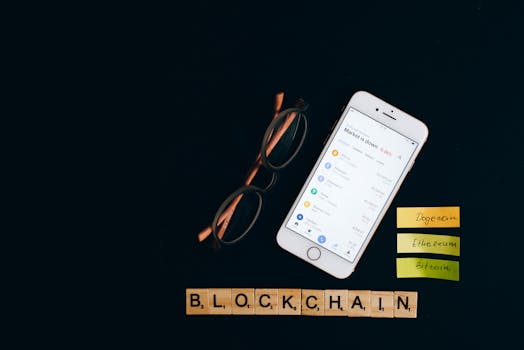
The term “blockchain lifestyles” often conjures images of speculative trading floors or the esoteric world of decentralized finance. While these are certainly components, they represent merely the tip of a rapidly expanding iceberg. The true integration of blockchain technology into our everyday existence is far more nuanced, weaving itself into the fabric of how we transact, interact, and even define ownership. This isn’t about a future state; it’s about the present, actively reshaping daily routines and societal structures in profound ways.
Unpacking the Core: What Constitutes a “Blockchain Lifestyle”?
At its heart, a blockchain lifestyle is about embracing the principles of decentralization, transparency, immutability, and user-controlled data. It moves away from reliance on centralized intermediaries towards peer-to-peer interactions underpinned by cryptographic security. This shift manifests in several key areas, fundamentally altering our relationship with digital and physical assets, and empowering individuals with greater autonomy. It’s a lifestyle choice that prioritizes verifiable trust and inherent digital ownership.
For instance, consider the implications of owning your digital identity rather than having it managed by social media giants. This is a cornerstone of blockchain lifestyles.
The Revolution in Digital Ownership and Asset Management
Perhaps the most visible impact of blockchain integration into daily life is through Non-Fungible Tokens (NFTs) and the broader concept of verifiable digital ownership. While initially associated with digital art, NFTs are evolving rapidly. They are now being explored for ticketing, real estate deeds, intellectual property rights, and even personal memorabilia.
Imagine holding a verifiable digital certificate for your favorite concert ticket, eliminating scalping and counterfeiting. Or consider fractional ownership of real-world assets, democratizing investment opportunities. This isn’t science fiction; these applications are actively being developed and deployed, changing how we perceive and manage what we “own.” The underlying blockchain ensures that ownership records are tamper-proof and transparent, fostering a new era of trust in digital transactions.
Decentralized Finance (DeFi) as a Lifestyle Upgrade
Beyond speculative assets, Decentralized Finance (DeFi) presents a compelling case for reshaping financial habits. For many, interacting with traditional banking systems can be cumbersome, exclusionary, and expensive. DeFi offers an alternative.
Peer-to-Peer Lending: Borrowing and lending without banks, often with more favorable rates.
Decentralized Exchanges (DEXs): Trading cryptocurrencies directly from your wallet, removing the need for centralized exchange accounts.
Yield Farming and Staking: Earning passive income on digital assets through smart contracts.
Stablecoins: Digital currencies pegged to fiat currencies, offering stability within the volatile crypto market.
For individuals in regions with underdeveloped banking infrastructure, DeFi can provide access to essential financial services. For others, it offers greater control over their funds and potential for higher returns, all managed through user-friendly interfaces and secure smart contracts. It’s about reclaiming financial agency.
Redefining Data Sovereignty and Digital Identity
The current paradigm of data ownership is heavily skewed towards large corporations. Our personal information is often collected, analyzed, and monetized without our explicit, granular consent. Blockchain offers a path towards true data sovereignty.
Imagine a decentralized identity system where you control who sees your information and for what purpose, verified on a blockchain. This could revolutionize everything from online logins and KYC processes to personal health records and academic credentials. You become the gatekeeper of your digital self, granting access on your terms. This paradigm shift moves us from being data producers for corporations to being owners and managers of our own digital footprint.
This is a critical long-term aspect of blockchain lifestyles, impacting privacy and autonomy profoundly.
The Evolving Landscape of Decentralized Applications (dApps)
The proliferation of decentralized applications (dApps) is another key indicator of evolving blockchain lifestyles. These are applications that run on a blockchain network rather than a single server, offering enhanced security, transparency, and censorship resistance.
From decentralized social media platforms that prioritize user privacy and content control, to supply chain management tools that offer unprecedented transparency, dApps are extending the reach of blockchain beyond finance. As these applications mature and become more user-friendly, they will increasingly integrate into our daily workflows and social interactions, offering compelling alternatives to centralized services.
Navigating the Challenges and Embracing the Future
It’s crucial to acknowledge that the transition to blockchain lifestyles isn’t without its hurdles. Scalability issues, user experience complexities, regulatory uncertainties, and the need for widespread digital literacy remain significant challenges. Furthermore, the environmental impact of certain blockchain consensus mechanisms continues to be a valid concern, though advancements like Proof-of-Stake are actively addressing this.
However, the trajectory is clear. As the underlying technology matures and developers focus on creating more accessible and intuitive applications, the integration of blockchain into our daily lives will only deepen. Embracing these changes requires an open mind, a willingness to learn, and an understanding of the fundamental shift towards a more decentralized and user-centric digital future. The evolution of blockchain lifestyles is not just about adopting new tools; it’s about adopting a new philosophy of trust, ownership, and control in an increasingly digital world.